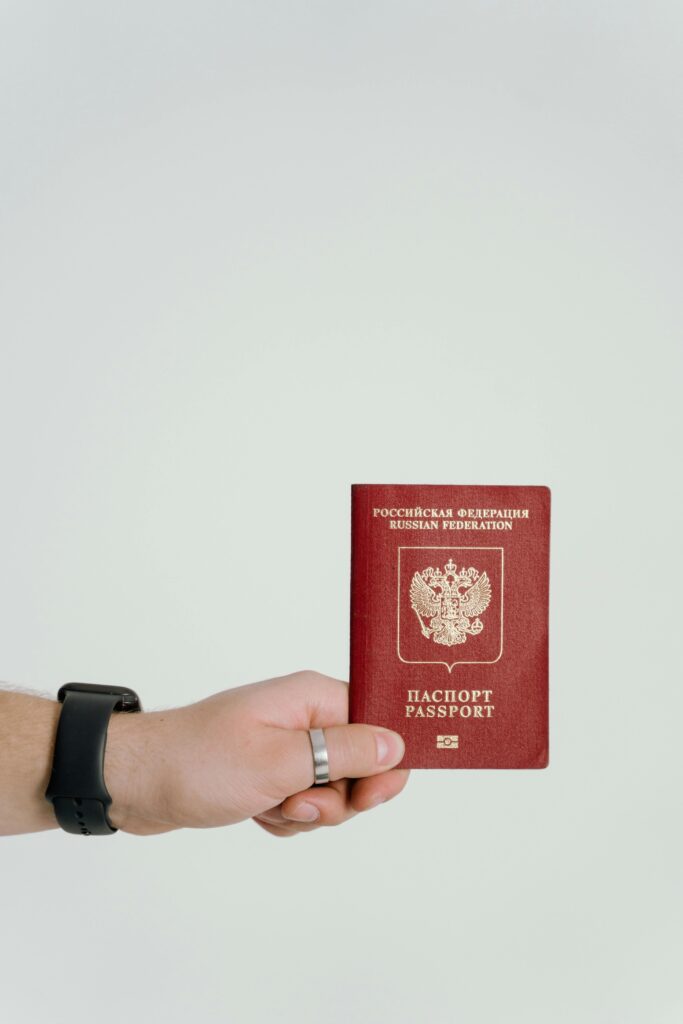
How Applicants can get Poland Work Visa in 2026
Poland is a European Union country that has become an increasingly popular destination for foreign workers and travelers. In 2025 and the first quarter of 2026, Poland issued the highest number of work visas, showing strong demand for international professionals.
In this guide, we will explain the Poland work visa process for 2026, the different types of work permits available, and the eligibility requirements you must meet. According to Statistics Poland, 504,172 work permits were issued to foreign nationals, highlighting the country’s growing employment opportunities.
In 2021, the number increased by 24%. Foreigners are legally allowed to work in Poland as long as they hold a valid work permit. Although you can enter Poland with a long-stay visa, employment is only permitted with proper authorization. Citizens of EU countries do not need a work permit to work in Poland. However, while some nationalities can enter Poland without a visa, citizens of non-EU countries must obtain a valid work permit in order to work legally.
Poland Work Visa 2026 Details
| Visa category: | D- Type of National Visa |
| Job country: | Poland |
| Permit Type: | Work |
504,172 work permits in total in 2026
- Ladies: 31.2%
- Men: 68.8%
- Sector of Industry/Job: Manufacturing
- Establishment
- Construction
- Transportation and Storage
- Administrative and Support Service Activities
- Elementary Occupations
- Plant and machine operators and assemblers
- Craft and related trades work
What is a work permit in Poland
The legal document known as a work permit allows foreign employees to work in Poland.
What is the National D Visa for Poland
One can stay for more than ninety days, but not more than a year, with a D-type national visa. You’ll update your visa after it expires.
Kinds of work permit in Poland
- Permit A: If you have received a job offer from an employer, company, or registered business in Poland, you must obtain this permit.
- Work Permit B: A type B permit is required if you are an employee or member of any board and remain in Poland for a period longer than six months.
- Work permit C: This is an intra-company transfer visa, or work permit C. If the Polish branch of the company is where your employer sent you.
- Work Permit D: If you are sent to Poland to work in export services by a foreign employer. A Polish branch of the foreign employer is not permitted.
- Work Permit S (Seasonal): If you are being sent to Poland for lodging, hunting, fishing, or agricultural work by a foreign employer, you must have this permit.
Types of Poland working visa
- Type A: Airport transit visas are known as type A visas.
- Type C: Schengen visas, also known as Type C visas, are primarily used for travel and visits.
- Type D: The Type D Visa is a long-term national visa that is primarily granted to individuals who are traveling to Poland for employment, education, or training.
Eligibility criteria for Poland working visa
- You need to have an official offer of employment from a Polish employer.
- A business or Poland-registered company may be the source of the job offer.
- On your behalf, your employer must apply for the work permit and file an application with the Voivodeship Office.
- Letter of employment: The original employment letter, which is signed by your employer and includes information about your position, pay, and other terms of employment, must be submitted.
- certificate of police clearance. You have to provide evidence that you are not a criminal.
- Please review the list of documents needed to obtain a D visa for Poland.
Applying process for Poland working visa
- Get a Job offer from the Poland Employer.
- Your employer applies for a work permit on your behalf.
- You apply for a work visa at the Polish embassy. (Check the embassy of Poland in your country, make an appointment, and prepare documents).
- You will pay the Visa application fee.
- Wait for the Visa Decision.
- Enter Poland and start working.
- Receive a job offer from the employer in Poland. (The links are provided below.)
- On your behalf, your employer applies for a work permit.
- You go to the Polish embassy and apply for a work visa. (Verify the Polish embassy there, schedule a time, and gather paperwork).
- The visa application fee will be paid by you.
- Wait the decision on your visa.
- Go to Poland and get to work.